
7 Pro Tips for Removing Stubborn Spots and Spills
Simple emergency stain-removal strategies that professional specialists swear by.

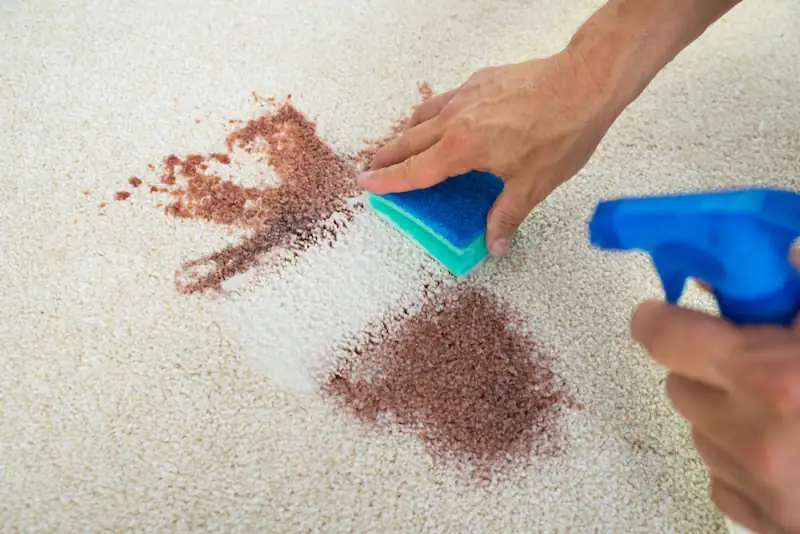
7 Pro Tips for Removing Stubborn Spots and Spills While professional deep cleaning is the gold standard, how you handle a spill in the first thirty seconds determines whether it’s a temporary nuisance or a permanent mark. Here are seven specialist tips to keep your carpets and upholstery in top shape.
Before You Start: The Golden Rule
Before applying any of the tips below to your carpets or upholstery, you should confirm the fabric type, check for colourfastness, and consult the manufacturer’s care label. Every material reacts differently to moisture and acidity, so performing a small patch test in an inconspicuous area is the best way to ensure you don’t accidentally damage the material you are cleaning.
Blot, Never Rub
It’s an instinctive reaction to scrub a spill, but this is the quickest way to ruin a carpet. Rubbing creates friction heat that can “set” a stain into the fibres and cause permanent “fuzzing” or fraying of the pile. Always use a clean, white cloth (to avoid dye transfer) and blot from the outside in to prevent the spill from spreading.
The Power of Plain Water
You’d be surprised how many spots can be resolved with nothing more than lukewarm water. Often, blotting with a damp cloth is enough to lift a substance without affecting the carpet’s chemical balance. If water doesn’t work, it’s much safer to move to a cleaner afterwards than to start with heavy chemicals that might react poorly with the stain.
Avoid “Oxy” Cleaners for Wool
Many off-the-shelf “Oxy” cleaners are far too alkaline for natural fibres. Wool is essentially hair; high-alkaline cleaners can “strip” the natural oils, leading to brittleness and permanent yellowing or discolouration. For wool carpets and rugs, always stick to pH-neutral cleaners specifically approved for wool.
Use White Vinegar for Tannins
Tea, coffee, and even some fruit juices contain tannins—natural vegetable dyes that love to bond with carpet fibres. A mixture of one part white vinegar to two parts water helps to neutralise these tannins. Lightly mist the area (don’t soak it!) and blot gently with a microfibre cloth to lift the colour.
Freeze Your Chewing Gum
Never try to scrape wet gum; you’ll only end up spreading it deeper into the backing. Instead, place an ice cube in a plastic bag and hold it against the gum until it is frozen solid. Once it’s brittle, you can gently shatter it with a blunt spoon and hoover up the pieces before they thaw.
Combat Grease with Cornflour
Oily spills—like dropped chips or makeup—don’t respond well to water-based cleaners. Instead, reach for the cornflour. Sprinkle a generous amount over the greasy area and let it sit for at least an hour. The powder acts like a sponge, drawing the grease out of the fibres so you can simply hoover it away.
Know When to Call a Specialist
The most important tip is knowing when to stop. If a stain hasn’t shifted after two gentle attempts, stop immediately. Continuing to apply moisture and chemicals can “lock” the stain into the fabric permanently or cause “wicking,” where the stain disappears only to return larger and darker a few days later.
A Friendly Note
The tips provided here are just a guide to help you manage small mishaps, but I would always recommend calling a professional first—especially for those delicate or specialty fabrics. If you do decide to tackle a stain yourself, please proceed with caution and at your own risk. While these methods are tried and tested, I’m unable to guarantee the outcome for every unique fabric or DIY attempt, so it’s always best to be mindful of your specific material’s needs!